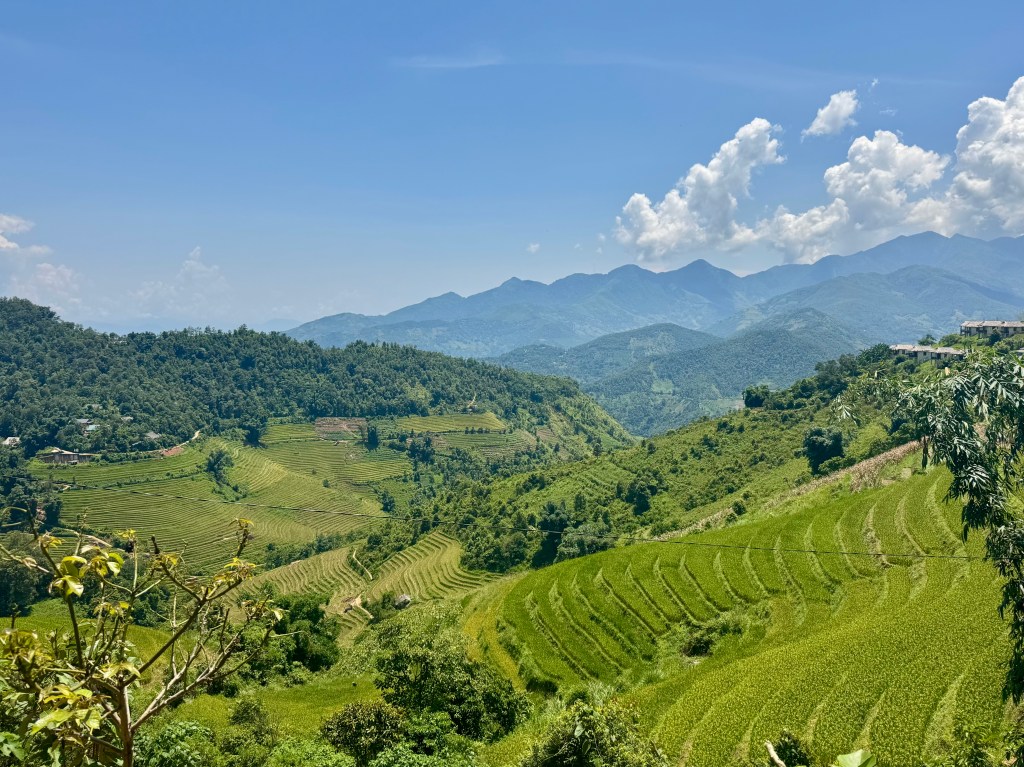
It was time to journey further north in Vietnam — a decision that, in hindsight, would lead us to the most memorable part of our trip.
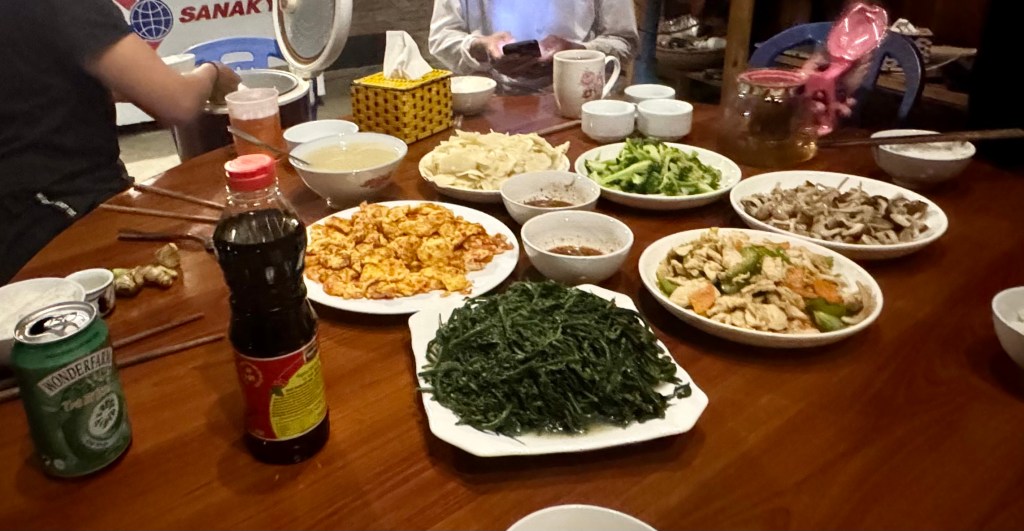
Leaving Tam Coc behind, we rose early once again to catch a sleeper bus to Sapa. Upon arrival, we checked into the Happy Happy Bungalow of Happiness, hosted by a local Vietnamese family. The name alone set high expectations — and they were more than fulfilled. Our hosts, May and her husband, lived there with their extended family, including their sons, a daughter-in-law, and a lively mix of pets (among them a dog named Chen). From the moment we arrived, we were welcomed with a hug, genuine warmth and hospitality, sharing meals and stories around the table. One evening, friends visiting from Ho Chi Minh City joined us, turning dinner into a particularly vibrant and memorable gathering, where we got to ask many questions about Northern Vietnamese culture.
May and her family were self-sufficient. They grew their own food, kept animals, and relied mostly on what they could produce themselves. It was inspiring to see how independent they were and how closely connected their daily lives were to nature. Their way of living was very different from what I am used to in the Netherlands, where convenience and supermarkets are a normal part of everyday life. Spending time with them made me appreciate the amount of work and dedication that goes into such a lifestyle.
It was also fascinating to experience such a different way of life. Their eldest son was already married and expecting a child with his 19-year-old girlfriend. It really made me reflect on how differently people can approach life — most of my friends back home would not even think about having children before their thirties.
Another striking cultural difference was the use of chopsticks. In Vietnam, people use chopsticks for almost every meal. May’s son even wanted to eat pizza with chopsticks, as one of her friends told us! It was funny, but also a reminder of how deeply everyday habits are shaped by culture.
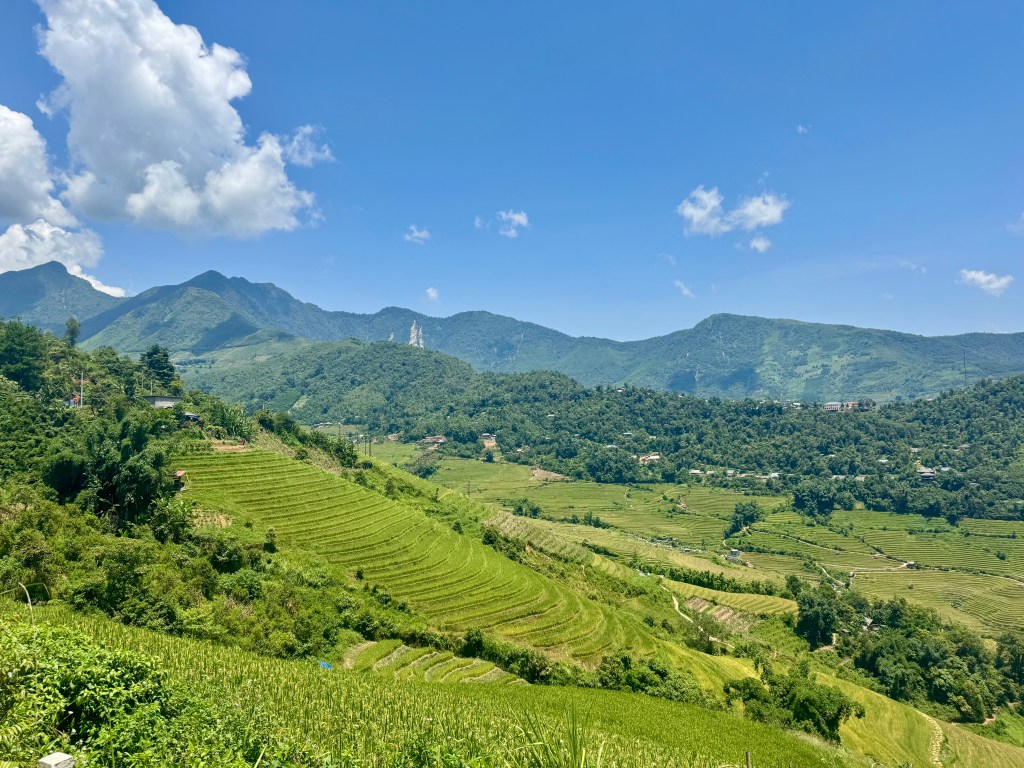
During our stay, we joined several day trips with the family. May and her husband took my sister and me through the breathtaking mountain landscapes, and we shared lunch with her sister-in-law’s family. The scenery was unforgettable: endless greenery and rice terraces stretched across the hills as far as the eye could see. It was incredible to see so many rice fields. In the Netherlands, we rarely stop to think about where our food comes from because we are so fortunate to have everything readily available in supermarkets. Seeing the rice fields up close made me realize how much hard work goes into producing such a basic food staple — every single rice plant is planted by hand, a process that requires an enormous amount of time and effort.
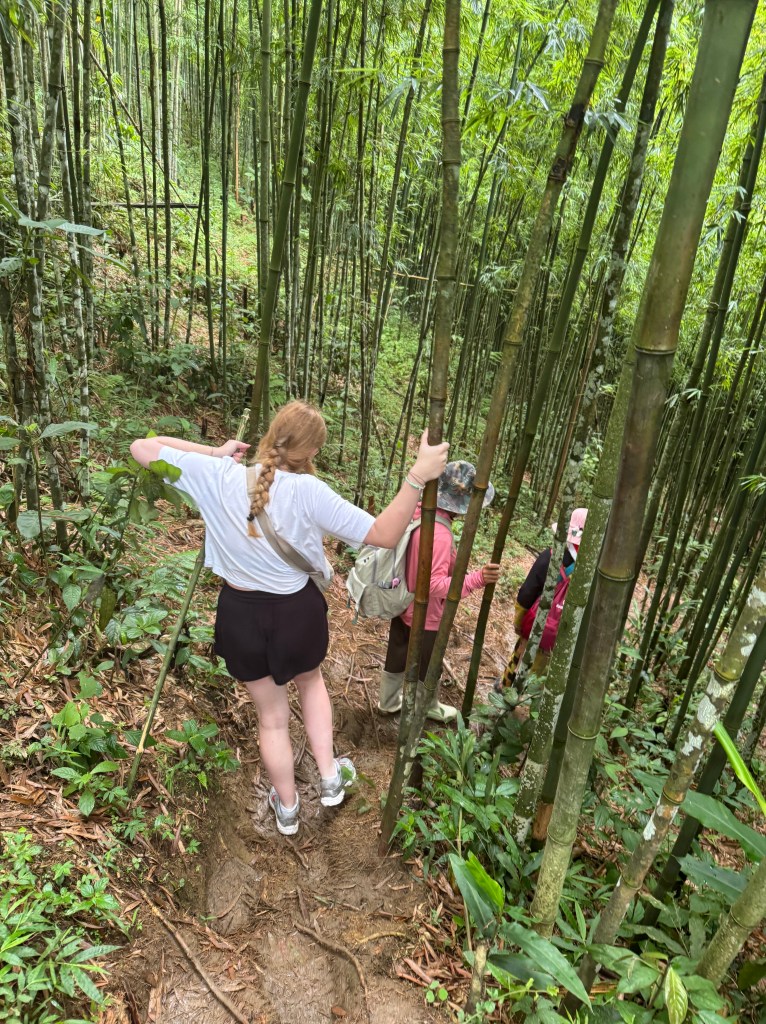
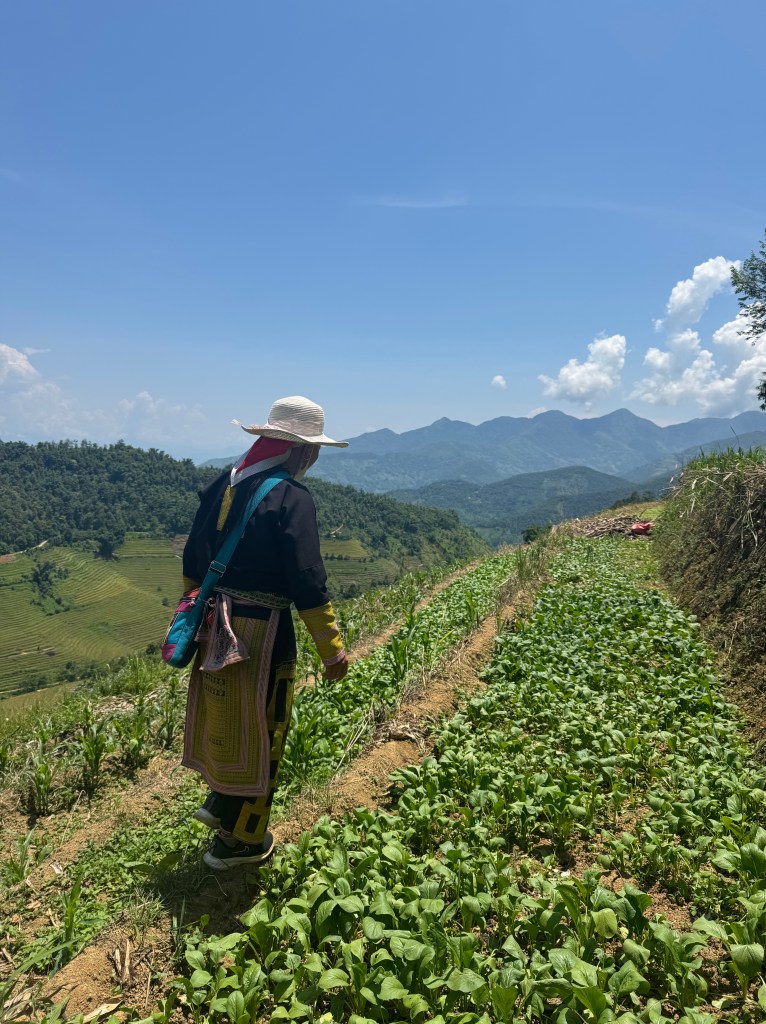
A guided hike through the mountains provided another meaningful experience. Accompanied by two local women, we initially wondered why they had joined us, offering support along more challenging parts of the trail. As it turned out, this was part of their livelihood — they assist hikers in the hope that visitors will purchase handmade goods. It was a humbling insight into the local economy and added depth to what might otherwise have been “just” a scenic walk.
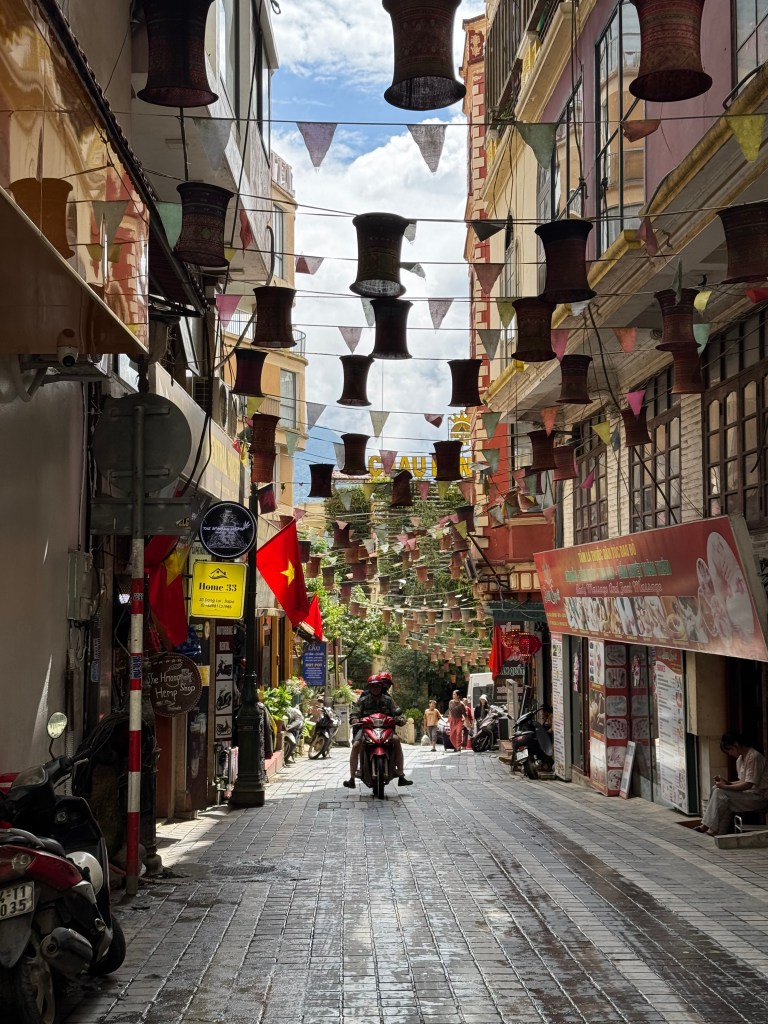
On our final day in Sapa, we explored the town itself and enjoyed a delicious bánh mì at bánh mì 911. At the same time, we were confronted with a more sobering reality: young children, some no older than five, selling goods in the streets — occasionally while caring for even younger siblings. It was a difficult sight, yet an important one, offering a more complete picture of daily life in the region. What remained most of our time in Sapa, however, was the kindness of the people and the rich cultural diversity of the area, visible in the traditional clothing worn by different ethnic communities.
That evening, we took another sleeper bus — this time to Ha Giang. We booked a three-day Ha Giang Loop tour, and before we started, we had to sign a waiver stating that any risks were our own responsibility — which was a bit intimidating at first. However, our driver reassured us that they were highly experienced and knew the mountains inside out.
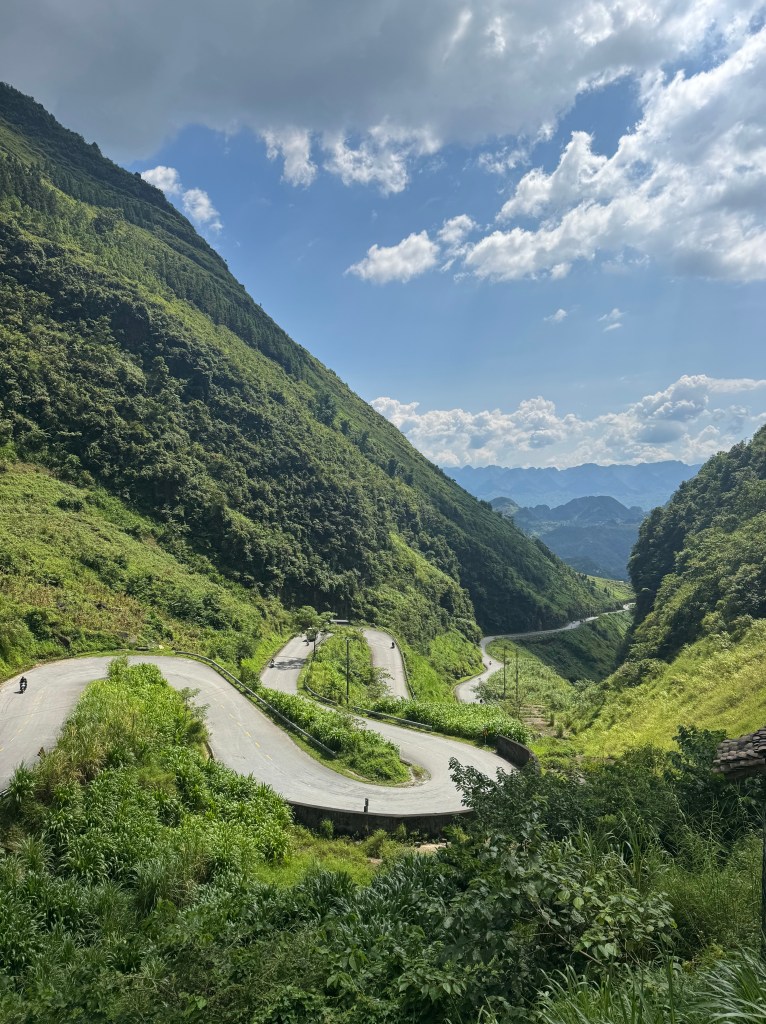
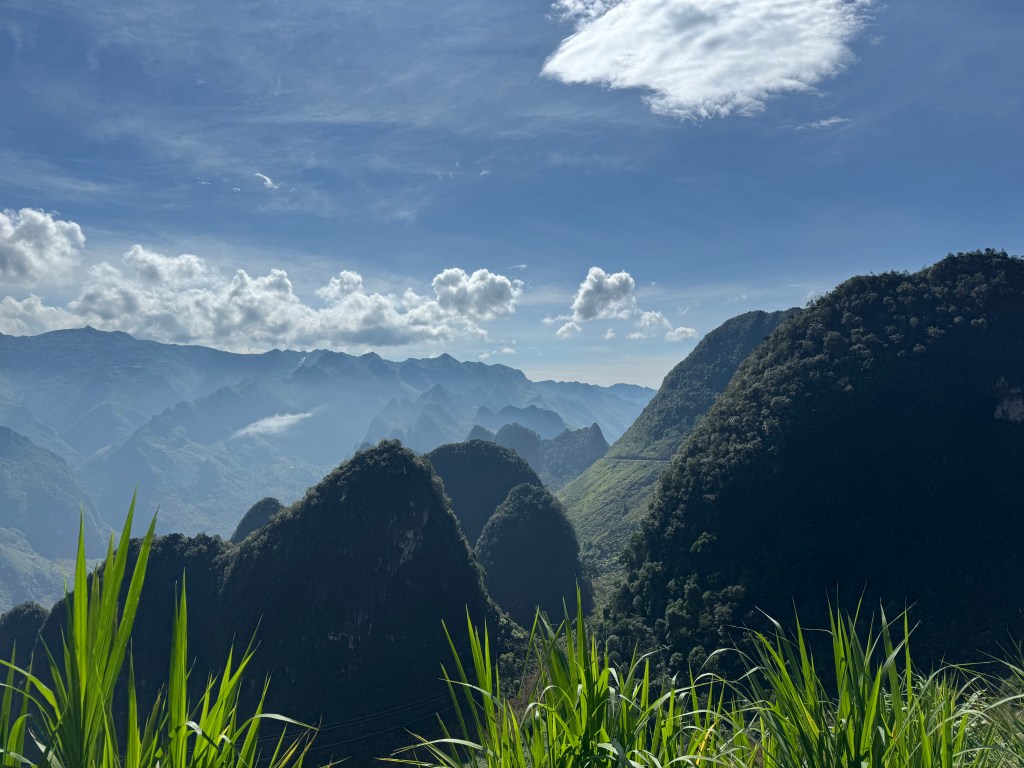
Over the course of three days, we drove through winding mountain passes, visited local villages, and stopped at some of the most breathtaking viewpoints imaginable, including the famous Mã Pí Lèng Pass and the Nho Quế River canyon. We swam beneath waterfalls, explored small towns, and enjoyed delicious local food along the way. Every day felt like a new adventure.
At the same time, the journey also showed us another side of life in the region. We saw many local families and children living in poverty, which was difficult to witness. It felt sad to pass by without being able to truly help, especially since visitors are often advised not to give money directly to children. The experience made me realize how different living conditions can be across the world.
Another thing that stood out to us was the incredible way locals used their scooters for transportation. We saw people carrying huge stacks of hay, trays of eggs, animals, and countless other things on just a single motorbike. It was both impressive and fascinating to see how resourceful people were in their everyday lives.
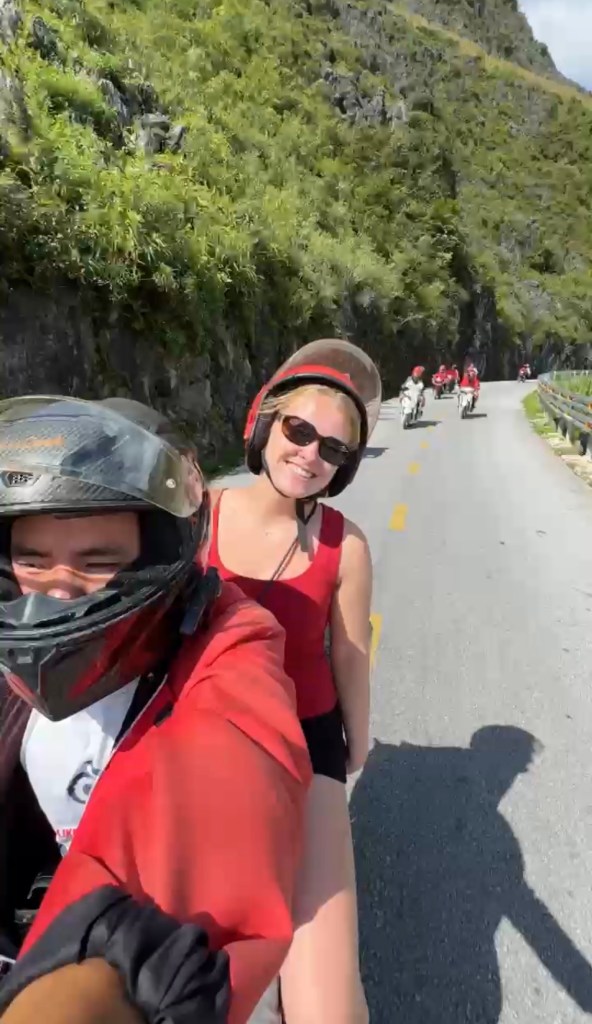
Our group made the experience even better: two Danish girls we instantly connected with, three German guys, and two Australian girls — plus plenty of others from different groups. Evenings were filled with karaoke, laughter, and a few rounds of “happy water.”
If you’re planning a trip to Vietnam, we cannot recommend Sapa enough — and especially staying with May and her family. It might be slightly more expensive than other options, but the experience is truly special. And if you’re considering the Ha Giang Loop: just do it. Without a doubt, these were our favorite days in Vietnam!


Geef een reactie